
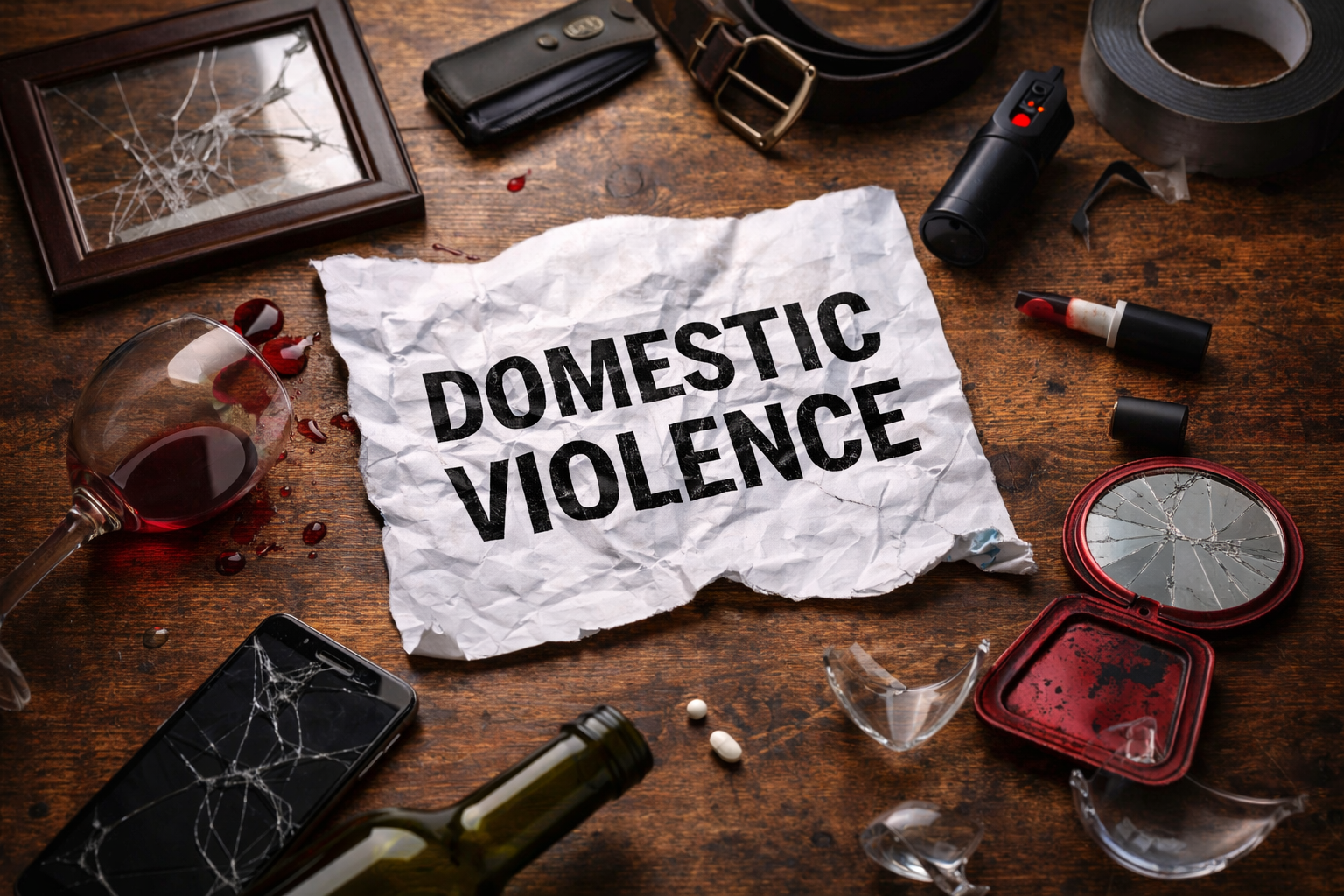
Domestic Violence Laws and Remedies: A Complete Guide for Survivors
Domestic violence remains a pressing social and legal issue in India, affecting individuals across all socio-economic backgrounds. Survivors often face emotional, physical, and psychological trauma, making awareness of legal protections and remedies essential. Understanding the laws, the rights of victims, and available support systems empowers survivors to take action and seek justice effectively.
What is Domestic Violence?
Domestic violence includes any act of physical, emotional, verbal, sexual, or economic abuse committed by a family member against another. It is not limited to physical harm; psychological abuse, controlling behavior, and financial restrictions also fall under this category. Victims may experience fear, intimidation, and loss of autonomy, making timely intervention crucial.
Legal Framework Protecting Survivors
In India, domestic violence is primarily addressed under the Protection of Women from Domestic Violence Act, 2005 (PWDVA). The law provides civil remedies for women who face abuse within the household. Additionally, other legal provisions may apply depending on the nature of abuse, including criminal sections of the Indian Penal Code (IPC).
Key Provisions of the PWDVA
- Definition of Domestic Relationship: Covers spouses, former spouses, live-in partners, relatives, and other household members.
- Types of Abuse Recognized:
- Physical abuse (hitting, slapping, or assault)
- Emotional abuse (verbal insults, humiliation, threats)
- Sexual abuse (non-consensual sexual acts, coercion)
- Economic abuse (denial of financial support, property control)
- Rights of Survivors:
- Right to reside in the shared household
- Right to protection from violence and harassment
- Right to monetary relief and maintenance
- Right to custody of children
Remedies Available to Survivors
The PWDVA empowers survivors with a range of civil remedies to ensure safety, financial security, and justice.
Protection Orders
A protection order prevents the abuser from committing further violence or entering the survivor’s residence or workplace. Violation of this order can result in legal consequences, including arrest.
Residence Orders
The law allows the survivor to remain in the shared household, even if they are not the owner, preventing eviction or harassment by the abuser.
Monetary Relief and Compensation
Survivors can claim monetary relief to cover expenses for medical treatment, loss of income, and other damages caused by the abuse. Courts may also grant compensation for emotional and psychological suffering.
Custody Orders
In cases where children are involved, the survivor can seek temporary or permanent custody orders to ensure the child’s safety and well-being.
Counselling and Support Services
The law encourages counseling, rehabilitation, and social support for both survivors and the abuser to prevent recurrence and promote reconciliation when appropriate.
Criminal Remedies Under IPC
In addition to civil remedies, survivors can pursue criminal action if the abuse involves offenses covered under the IPC:
- Section 375 & 376: Sexual assault and rape
- Section 498A: Cruelty by husband or relatives
- Section 323 & 325: Voluntarily causing hurt or grievous hurt
- Section 506: Criminal intimidation
Filing a police complaint under these sections initiates investigation and can lead to arrest and prosecution of the abuser.
Steps to Take for Legal Protection
- Document Evidence: Keep medical records, photographs, messages, or audio recordings that show abuse.
- Consult a Lawyer or Legal Aid: Legal experts can guide survivors on filing petitions, protection orders, or complaints.
- File for Protection Orders: Approach the local Protection Officer or court under PWDVA.
- Seek Support from NGOs: Organizations like HelpLine Numbers, Women’s Helplines, and NGOs provide counseling, shelter, and legal assistance.
- Police Involvement: In case of immediate threat, file an FIR at the nearest police station.
Importance of Awareness and Support
Many survivors hesitate to seek legal help due to fear, social stigma, or lack of awareness. Public education campaigns, helplines, and accessible legal aid can empower survivors to take informed steps. Communities and family members also play a vital role in providing emotional and practical support.
Preventive Measures
- Awareness Programs: Educating communities about legal rights and consequences of domestic violence.
- Counseling Services: Early intervention through counseling for both survivors and potential abusers.
- Empowerment Initiatives: Financial independence and vocational training for women to reduce dependence on abusers.
- Strengthening Law Enforcement: Training police officers and judicial staff to handle domestic violence cases sensitively and efficiently.
Conclusion
Domestic violence is not only a personal issue but a societal concern that demands strong legal protection and social support. The Protection of Women from Domestic Violence Act, 2005, along with relevant IPC provisions, equips survivors with multiple remedies to ensure their safety and dignity. Timely legal action, coupled with community and institutional support, can help survivors reclaim their lives and prevent future abuse. Awareness, empowerment, and strict enforcement of laws remain key to combating domestic violence effectively.